HyperWall™: A more sustainable building enclosure
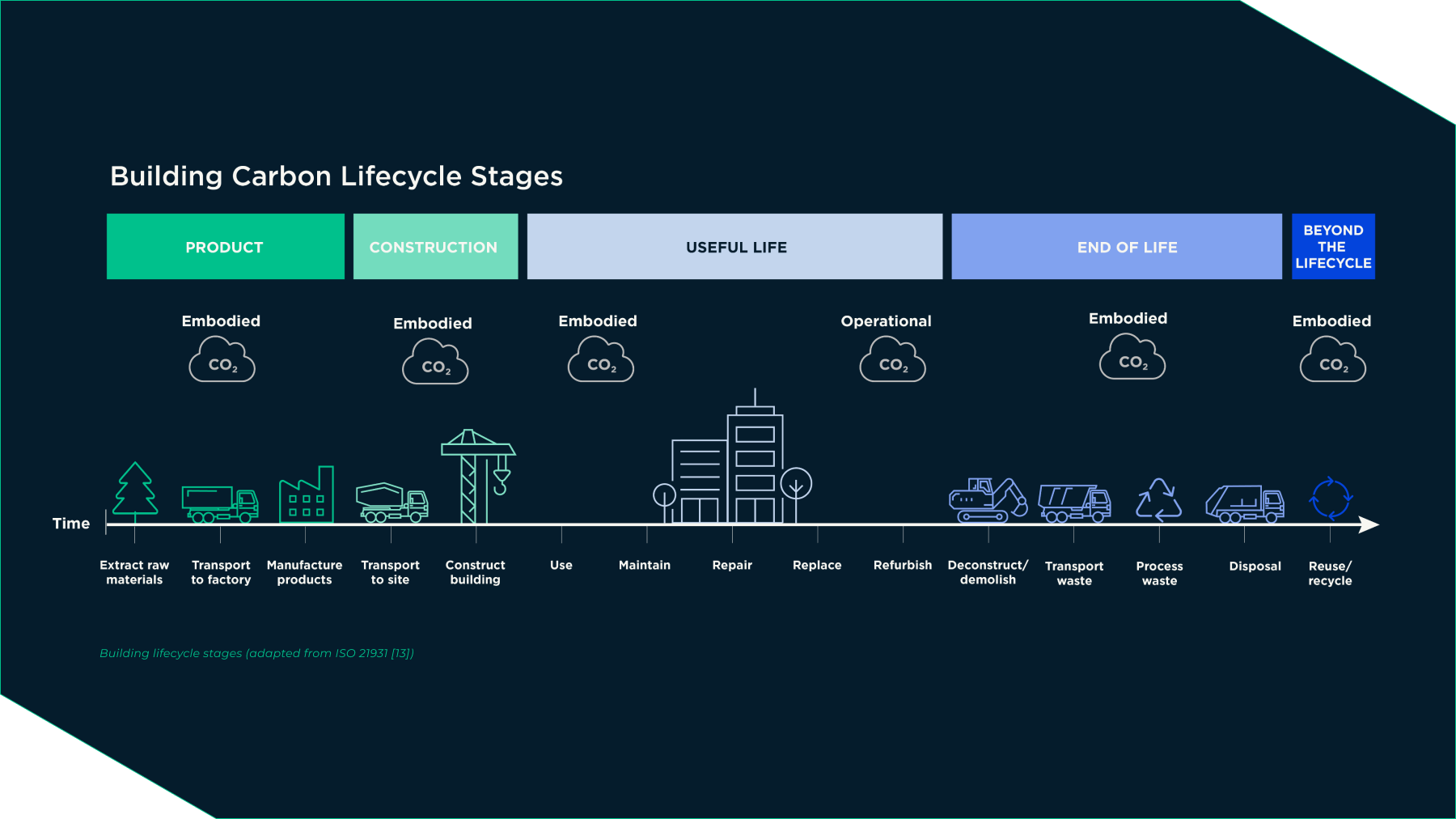
building carbon lifecycle stages

The HyperWall system delivers significant sustainability advantages over traditional precast concrete and metal panel building skins, primarily through its lower weight, reduced embodied carbon and lifecycle energy savings. By reducing the weight of exterior walls by up to 70%, the HyperWall system can also lower steel framing and foundation mass — affecting the footprint of an entire project before the first panel is even installed.

Lifecycle Stages

01.

Product Manufacturing

Structural composites offer significant sustainability advantages over precast concrete and metal. The primary benefit is weight reduction, which impacts framing and foundation mass.

02.

Construction

A single truck can transport more panels. An all-in-one solution enables faster builds while reducing the energy required for assembly.

03.

Maintenance and Use

Prefabricated wall assemblies provide excellent thermal and moisture barriers for reduced energy usage. Inherent corrosion resistance and environmental stability translate to longer service life. Controlled paint application with oven curing reduces maintenance and repair.

04.

End of Life

Lightweight wall panels are easier to remove at the end of the lifecycle. In addition, recycled glass and PET foam are sourced as raw material inputs.

05.

Beyond

Building Composites is developing reuse strategies for scrap foam, glass, pallets and grinding dust.

06.

Lower-Carbon Transport

A single truck can transport three to four times as many HyperWall panels compared to precast equivalents. This minimizes fuel use, emissions, traffic congestion and on-site equipment needs while speeding up the installation process.

07.

Lower Energy Consumption

The HyperWall system is a prefabricated, all-in-one solution with thermal, water, air and vapor control layers built in. It arrives on-site painted and can even include optional preinstalled glazing. Manufacturing the lightweight, composite panels off-site in a controlled environment requires less energy and produces less waste than precast concrete and metal alternatives. Once on-site, it also requires less energy and labor to install. Bolting replaces energy-intensive welding and lighter-weight electric cranes can be used instead of rough terrain (RT) or crawler cranes.

08.

Durability and Longevity

The fiber-reinforced polymer (FRP) composite materials used in HyperWall panels are inherently corrosion-resistant, moisture-stable and freeze-thaw tolerant. Unlike steel, they won’t rust; unlike concrete, they won’t spall or crack. Independent studies show FRP retains 80–90% of its properties, even after decades of service, providing a 60+ year lifespan with minimal maintenance. Precise robotic application of the fluoropolymer coating on HyperWall panels ensures consistency, colorfastness and gloss retention for decades, eliminating the patching common with concrete and the recoating cycles other building skin technologies require.

09.

Future Enhancements

Building Composites is working to establish further embodied carbon reduction strategies for foam cores and fiberglass rovings. These circularity efforts include recycling polyisocyanurate (PIR) scrap, securing post-consumer PET foams, and arranging for the use of recycled E-glass. Reusable molding elements offer another avenue for continued improvement.

In addition, Building Composites is collaborating with the American Composites Manufacturers Association (ACMA) to draft product category rules (PCRs) for FRP exterior building wall panels, which will pave the way for specific environmental product declarations (EPDs).