


Accelerate construction AND LOWER COSTS FOR ANY COMMERCIAL BUILDING PROJECT
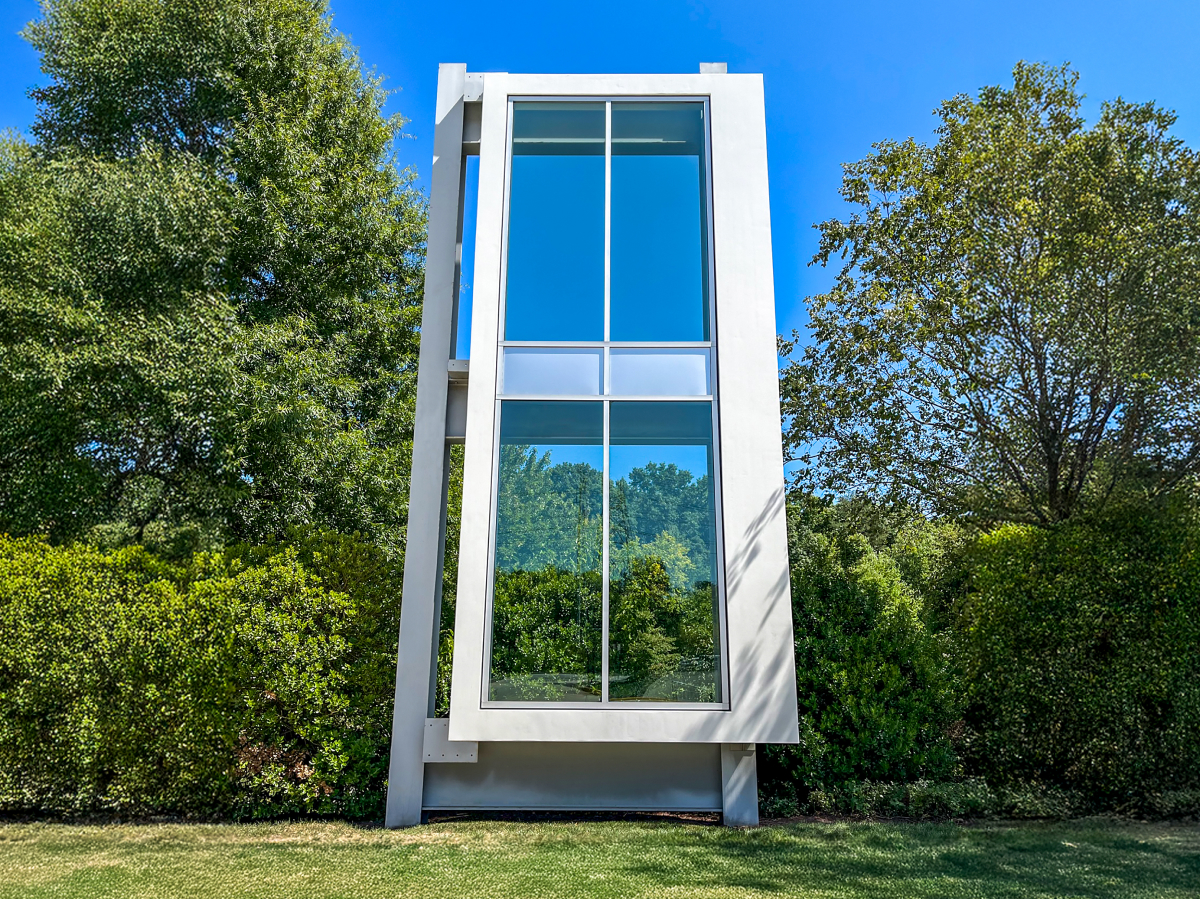
The HyperWall system offers an innovative approach to building construction that combines HyperWall FRP composite panels with preinstalled glazing and on-site installation. It’s a complete structural and architectural replacement for any exterior building skin system that allows faster-constructed buildings, with fewer trades and subcontractors to coordinate on-site.
A Cleverly Simple Solution
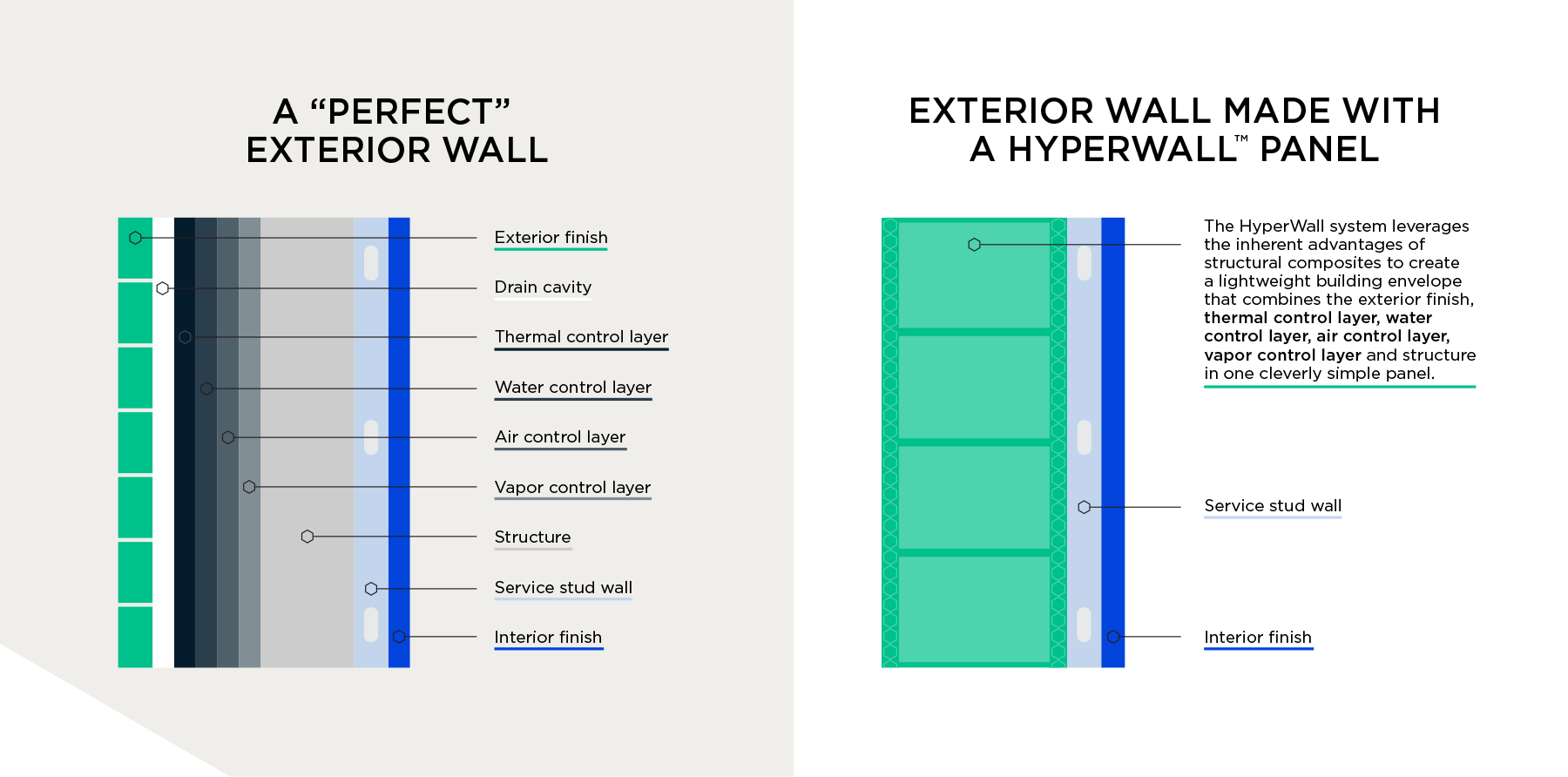
Made of an advanced structural composite, the HyperWall building enclosure system combines all four critical control layers – thermal, water, air and vapor – into a lightweight, monolithic panel that accelerates installation, lowers overall costs and reduces risks.
FAST INSTALLATION WITH REDUCED ON−SITE TRADES
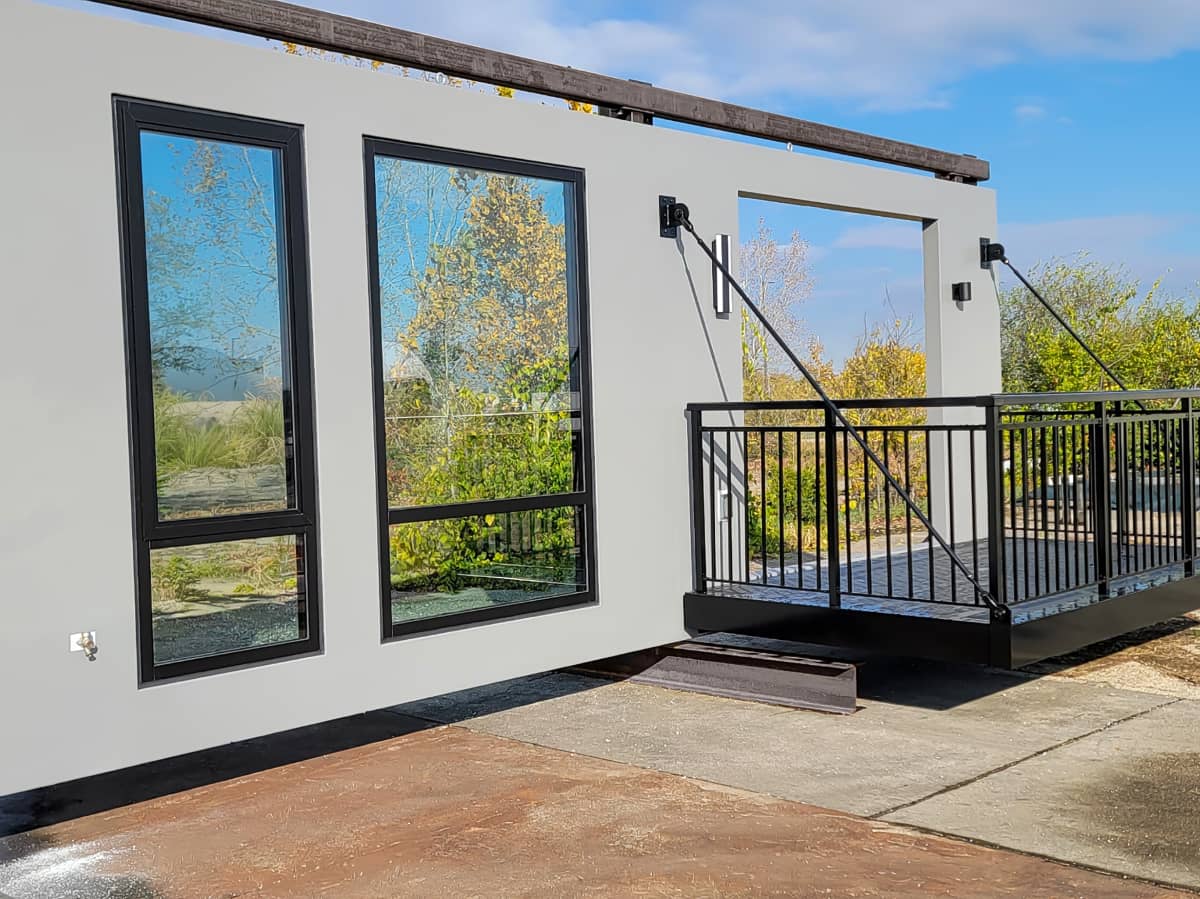
HyperWall panels are prefabricated. They arrive on-site painted with preinstalled glazing and integrated thermal, moisture and vapor barriers. And because they’re lightweight, HyperWall panels can be mounted with bolted connections, which go together twice as fast as welded connections and require less skilled labor. The upside is that buildings can be closed up to 50% faster than traditional formats.
lOWER TRANSPORTATION AND EQUIPMENT cOSTS
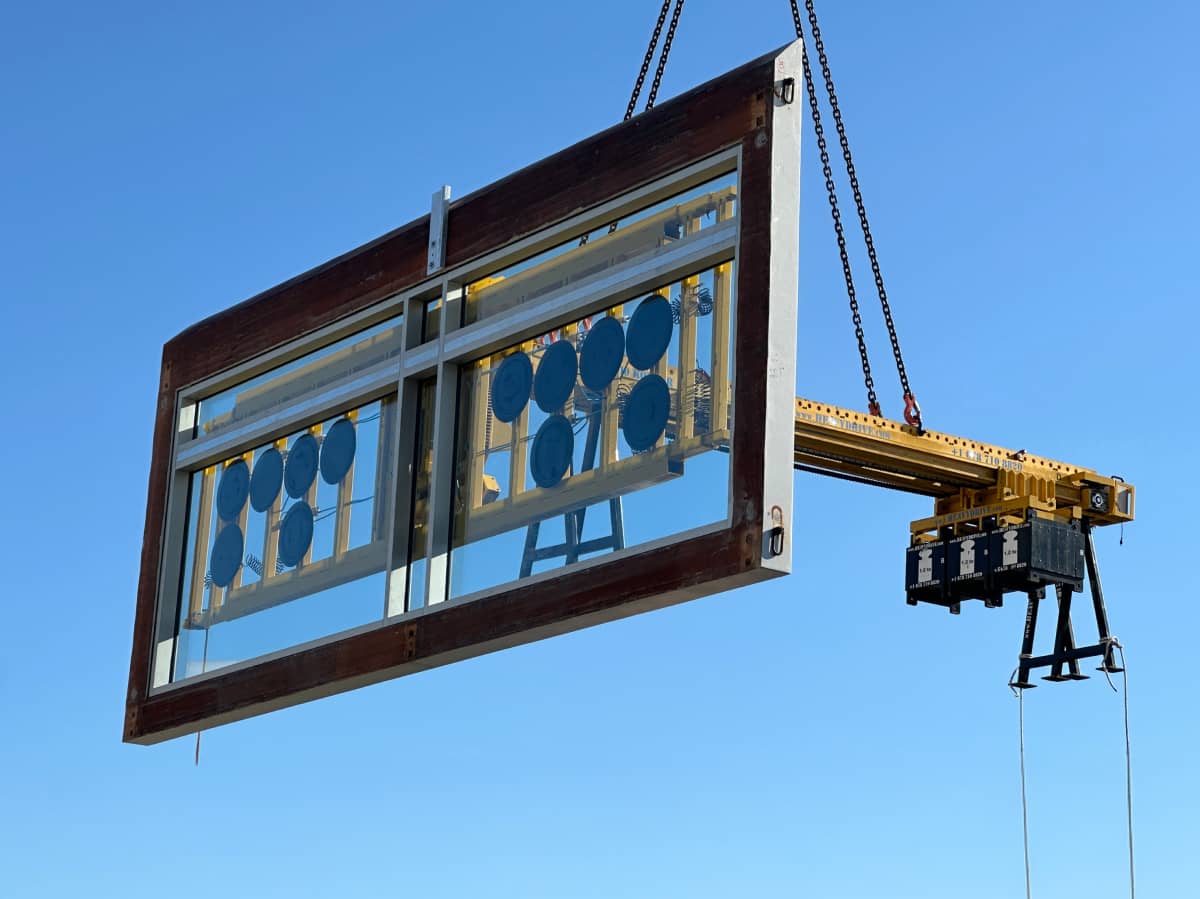
The lightweight nature of the HyperWall system also translates to savings on equipment costs. Compared to precast concrete, three times as many HyperWall panels can be transported per truck, reducing the total number of vehicles on the jobsite. Panels on the bottom level of a building can be set with mobile forklifts and higher levels with tower cranes, minimizing or eliminating the need for expensive and polluting diesel-powered mobile cranes.
More energy-efficient and comfortable buildings
The HyperWall system has very high thermal and acoustic insulative properties that help to lower energy costs and create quieter, more comfortable interior spaces. It boasts R-values of 13.9 and 22 for its 5 in. and 8 in. panels, respectively, as well as an STC of 60 and an OITC of 47.
FEWER WARRANTY RISKS
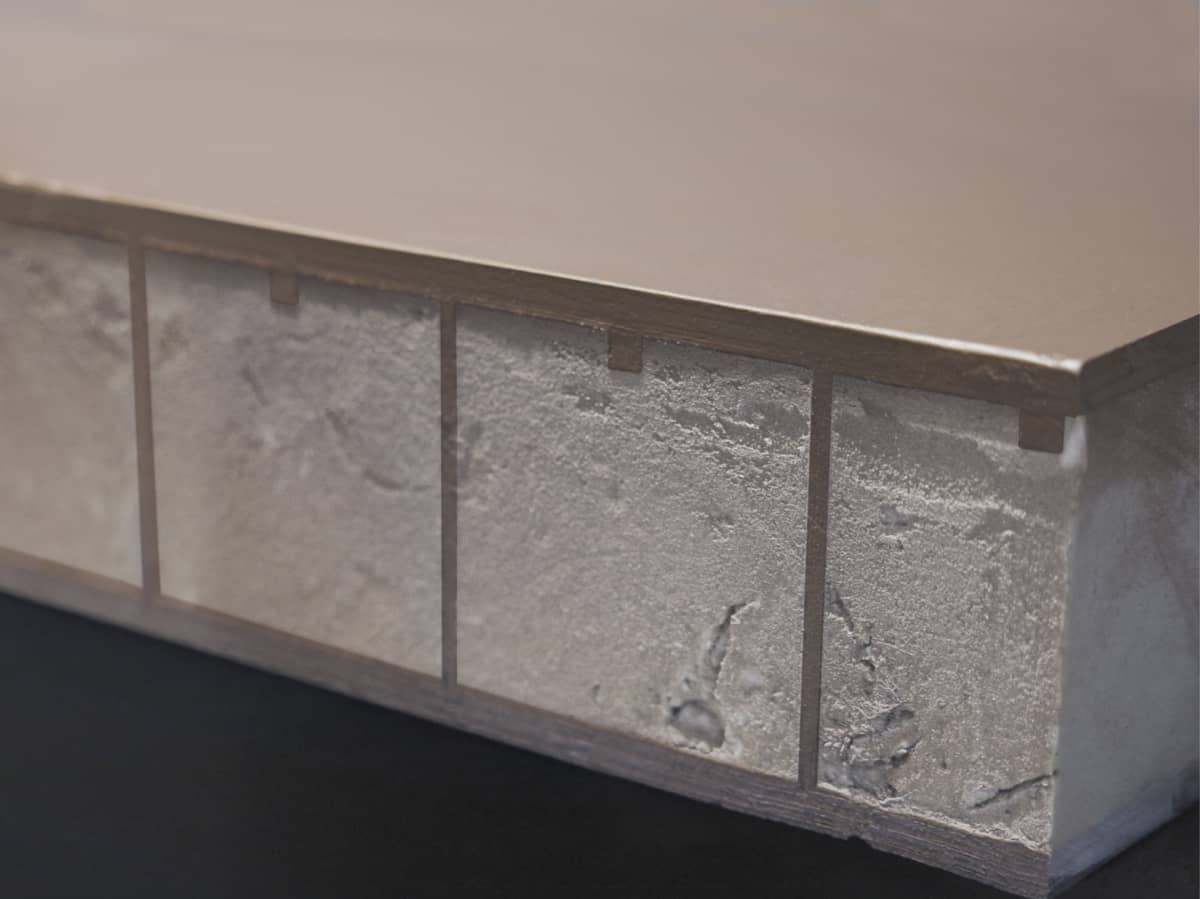
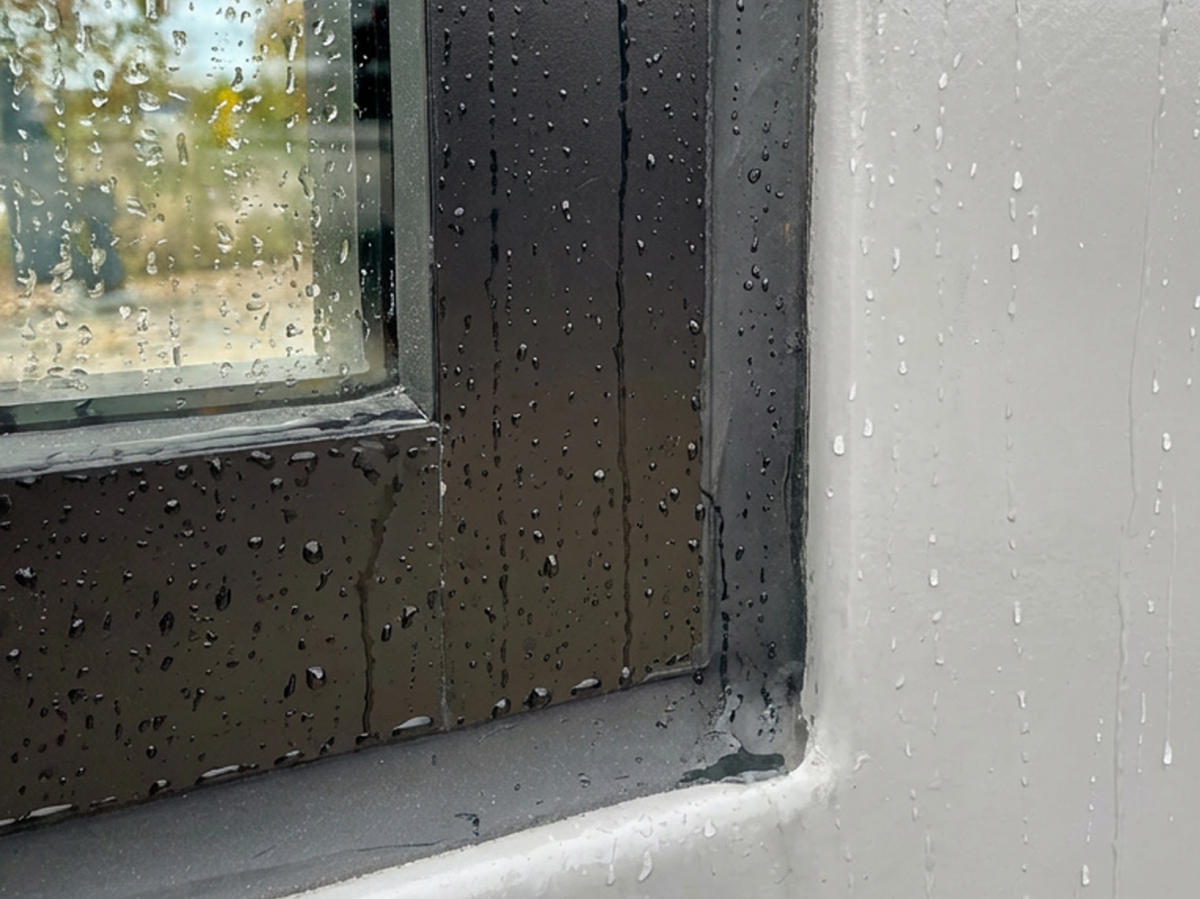
HyperWall panels are inherently waterproof, substantially reducing the likelihood of water-related warranty claims. They also protect against a wide range of other environmental factors, including corrosion, UV radiation, high temperatures and strong winds.
DISTINCTIVE DESIGNS
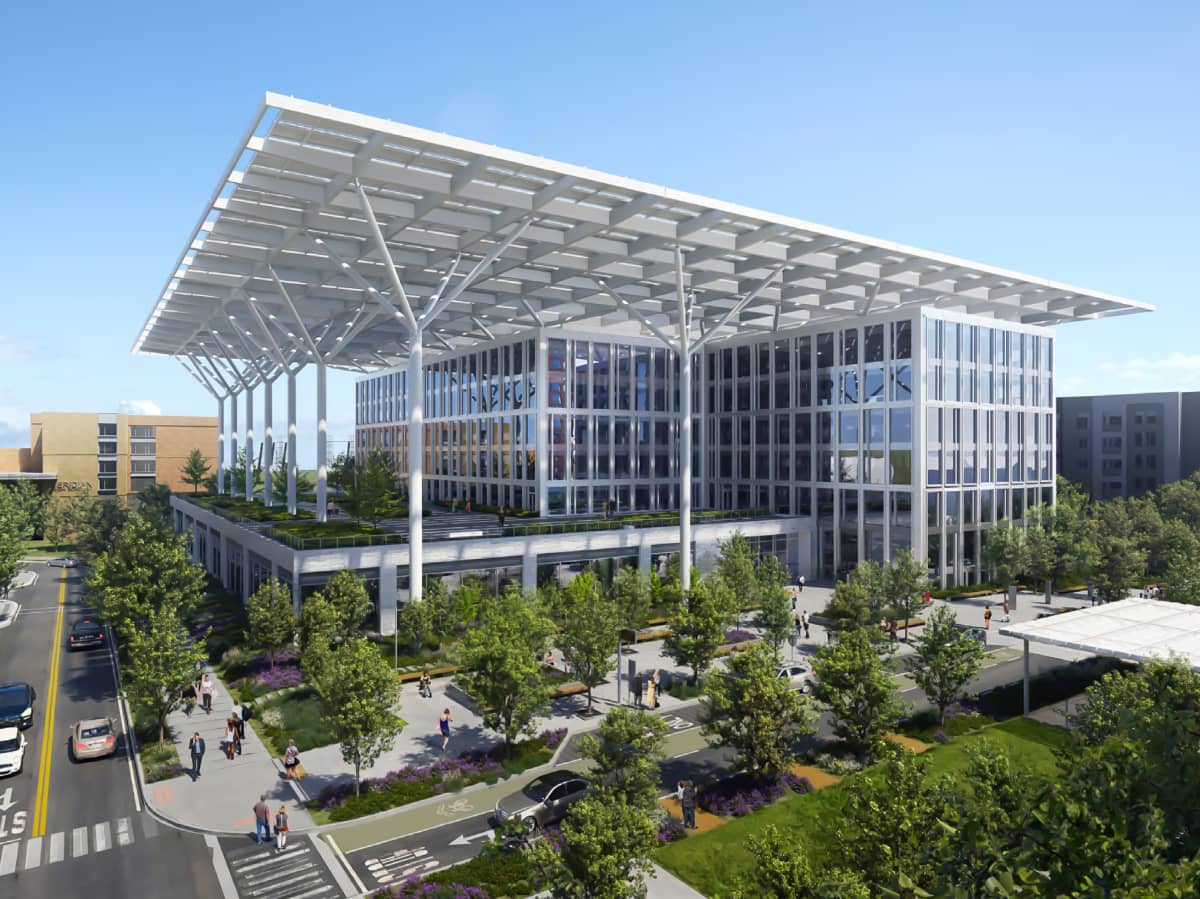
Investments in automation by Building Composites® enable HyperWall FRP composite panels to be manufactured with a high degree of design flexibility while standardized and modular forms keep them cost-competitive. The opportunities for creative expression are unmatched by any other major construction material, enhancing your ability to create unique and distinctive projects.
Reduce Embodied Carbon by up to 50%
HyperWall panels have significantly less embodied carbon than precast concrete and steel alternatives. Lighter load weights and fewer total trucks for transport reduce fuel consumption, costs, truck idling and emissions. All these advantages can lower the embodied carbon of a project by more than 50% and help support LEED objectives.
HyperWall Advantages


Designed to Solve Key Industry Challenges
The HyperWall team is dedicated to a vision of making building construction faster, less expensive and more sustainable. Specifically, the system was designed to meet the following goals:
- Reduce on-site labor
- Reduce construction time
- Reduce installed cladding costs (compared to architectural precast concrete)
- Reduce timelines to enclose buildings by 50%
- Reduce embodied carbon by at least 50%
- Reduce the need for high-risk work on scaffolds and in bucket lifts
- Enable architects to achieve more innovative building designs
The team spent several years researching many different materials and systems. Seven technologies were eventually selected for testing on a demonstration building erected in Manassas, Va., near Dulles International Airport. The building was later moved and donated to Virginia Tech, where it is now used for research projects by their building construction department.
Ultimately, an all fiber-reinforced polymer (FRP) composite panel system stood out to the R&D team for its light weight, simplicity, versatility and cost-competitiveness. Further research verified that the FRP system could meet the goals of the project, satisfy all relevant building codes, and offer a practical alternative to other technologies.
Now in commercial production, HyperWall is being utilized by leading construction, architecture and development firms in advanced, sustainability-focused projects.

