


Healthcare
Faster Enclosure For Projects That Can't Afford Delays
Closing buildings faster is especially critical to healthcare projects, which require reliably controlled environments before sensitive treatment equipment can be installed. The HyperWall™ building enclosure system helps you achieve this goal in as little as half the time with a streamlined enclosure solution that minimizes field variables.
Hyperwall At a Glance
- Multiple advantages compared to precast concrete:
- 20%-25% the weight
- Can be installed in 50% less time
- 6-8 as many panels can be transported per truck
- At least 50% less embodied carbon in the panel system
- 12-20 psf
- Superior thermal insulation: R-values of at least 2.8 ft²·°F·h/BTU per inch
- Very high sound transmission reduction
- STC reduction: 60
- OITC reduction: 47
- Built-in vapor and moisture barriers
- Standard panel sizes up to 10 x 41 feet
- Factory-installed glazing available
- Complete exterior solution significantly reduces on-site trades

Faster Construction With Fewer On-Site Trades
HyperWall is a prefabricated panel system that meets all applicable life-safety codes while combining structure and exterior finish in a single, monolithic composite panel. By consolidating multiple components of the exterior enclosure into one system, HyperWall reduces the number of trades, installation steps and coordination points required in the field.
Panels arrive on-site with integrated thermal, moisture, air and vapor control layers and optional factory-installed glazing. Lightweight HyperWall panels use bolted connections that go together quickly with minimal welding. Together, these advantages can enable buildings to be closed as much as 50% faster than traditional enclosure formats.
For healthcare projects, faster enclosure can help create a weather-protected environment sooner so interior construction can proceed with greater schedule certainty.
Lightweight Panels Minimize Jobsite Activity and Congestion
At only 12-20 psf, HyperWall panels give contractors more options for moving and handling panels on the job site. The panels can be installed with smaller-capacity equipment and bolted connections, helping simplify installation and reduce equipment requirements. That can be particularly valuable when healthcare construction takes place on an active campus or in space-constrained environments where minimizing disruption to existing care is the highest priority.
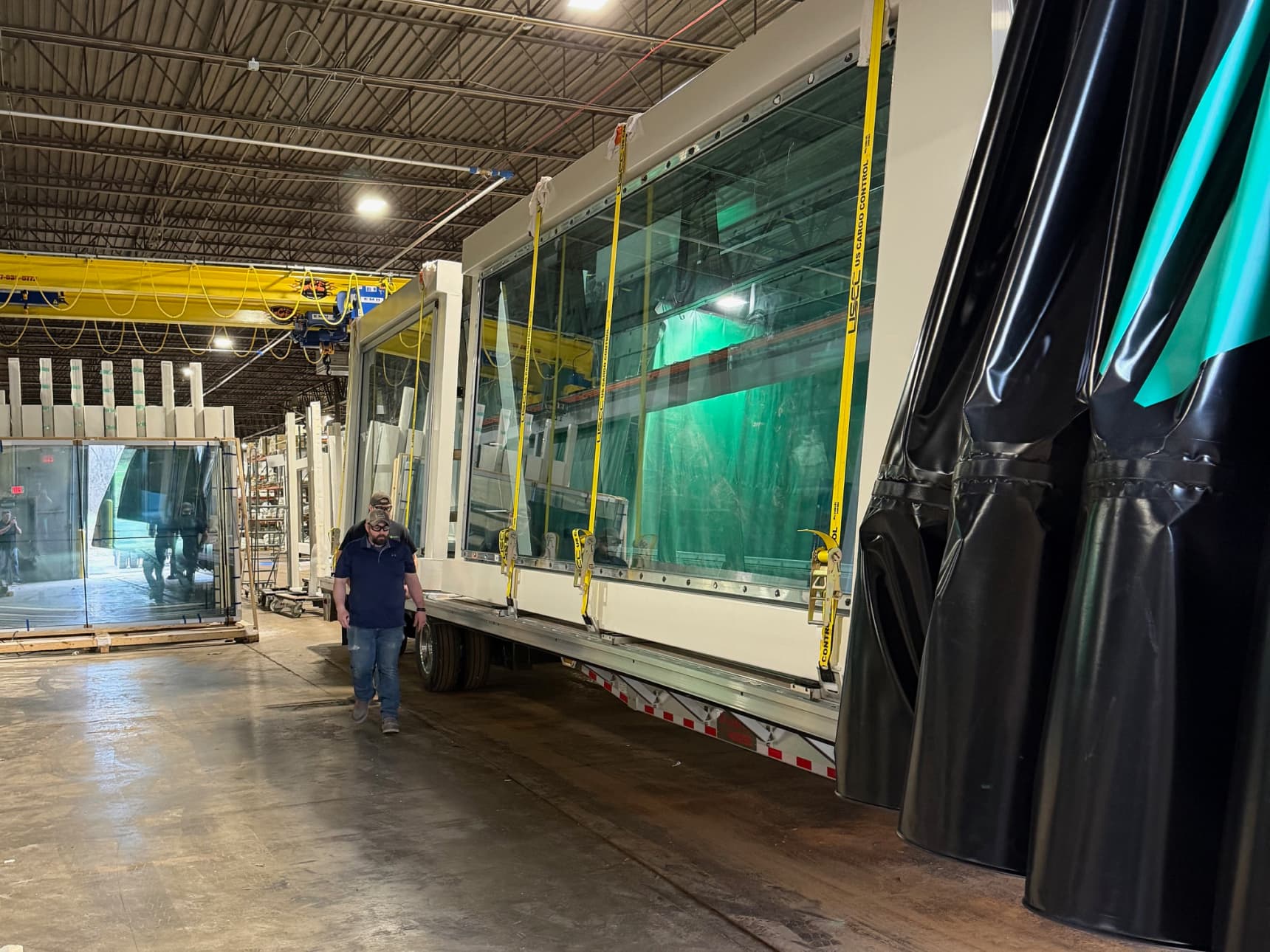
Lower panel weight provides benefits before the panels ever reach the site. Six to eight times as many HyperWall panels can be transported per truck compared with precast solutions, reducing deliveries and helping limit traffic and congestion on the job site.

Move More Work Into a Controlled Manufacturing Environment
HyperWall shifts significant enclosure work away from the jobsite. Detailed shop and production drawings guide manufacturing, automated processes support consistent fabrication, and optional glazing is installed before panels leave the facility. This prefabricated approach reduces the amount of work that must be completed in the field and limits exposure to the variables that can affect traditional on-site construction.
Reduce Environmental Impact
HyperWall panels can help reduce the environmental footprint of healthcare construction in several ways. The system generates at least 50% less embodied carbon than precast concrete enclosures, while its significantly lower weight can reduce the amount of structural steel and foundation mass needed to support exterior walls. Fitting more panels on each truck also means fewer deliveries, reducing transportation-related fuel use and emissions.

Support From Concept to Installation
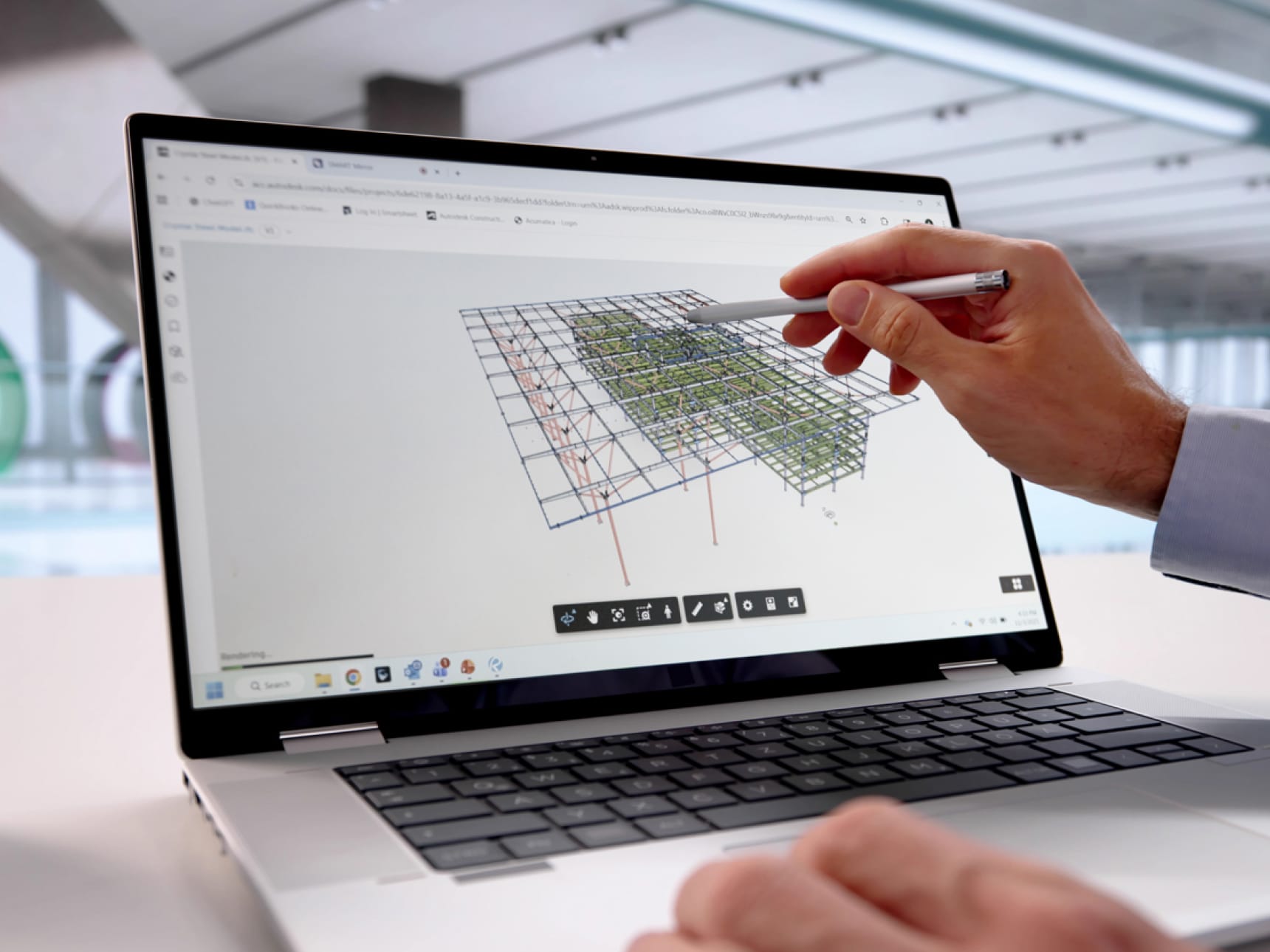
To reduce costs and leverage regional labor availability, installation is typically subcontracted using a local workforce, either managed by Building Composites or hired by the general contractor.